PPF vs. Ceramic Coating: Which Protects Better in the Florida Sun? A Melbourne Driver's Guide
On the Space Coast, your car's paint never gets a day off. Intense UV, salty air drifting off the Atlantic and the Indian River Lagoon, lovebug season, afternoon storms, and highway debris on I-95 and US-1 all go to work on your finish from the day you drive off the lot. That is why so many Melbourne drivers end up comparing the two most talked-about paint protection options: paint protection film (PPF) and ceramic coating.
The short answer: paint protection film protects better in the Florida sun. PPF is a thick, self-healing urethane layer that physically shields paint from UV exposure, rock chips, scratches, and chemical etching, and premium LLumar films are backed by 10- to 12-year warranties. Ceramic coating is a microscopically thin chemical layer that adds gloss and makes washing easier, but it does not stop rock chips or deep scratches and typically lasts a few years before it needs reapplication. For Florida drivers who want the strongest long-term defense, PPF is the clear winner, and films like LLumar Valor now deliver many of the easy-clean benefits people want from a coating.
This guide explains how each option works, how they hold up under Florida conditions, what they cost you over time, and how to choose the right protection for your vehicle.

What Is Paint Protection Film?
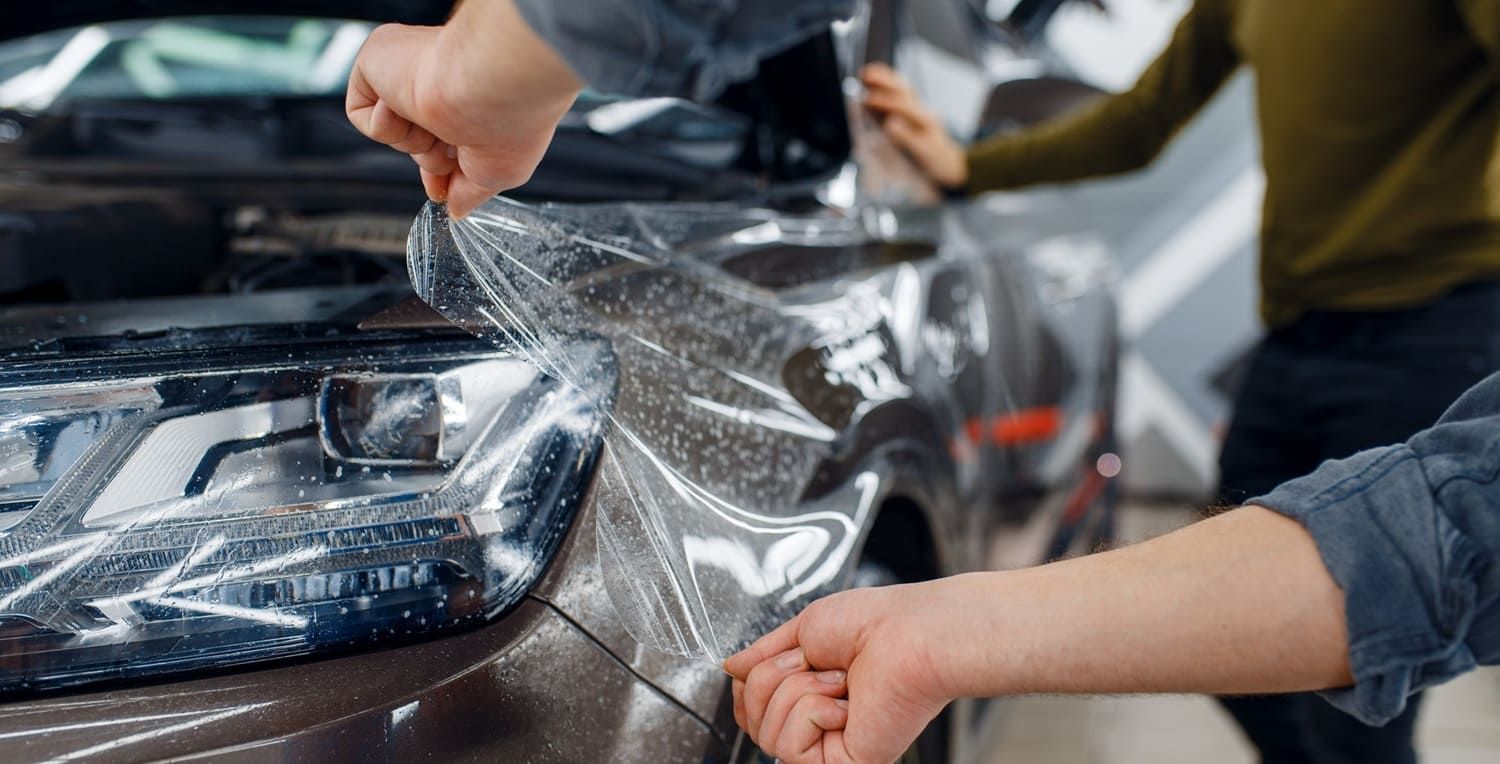
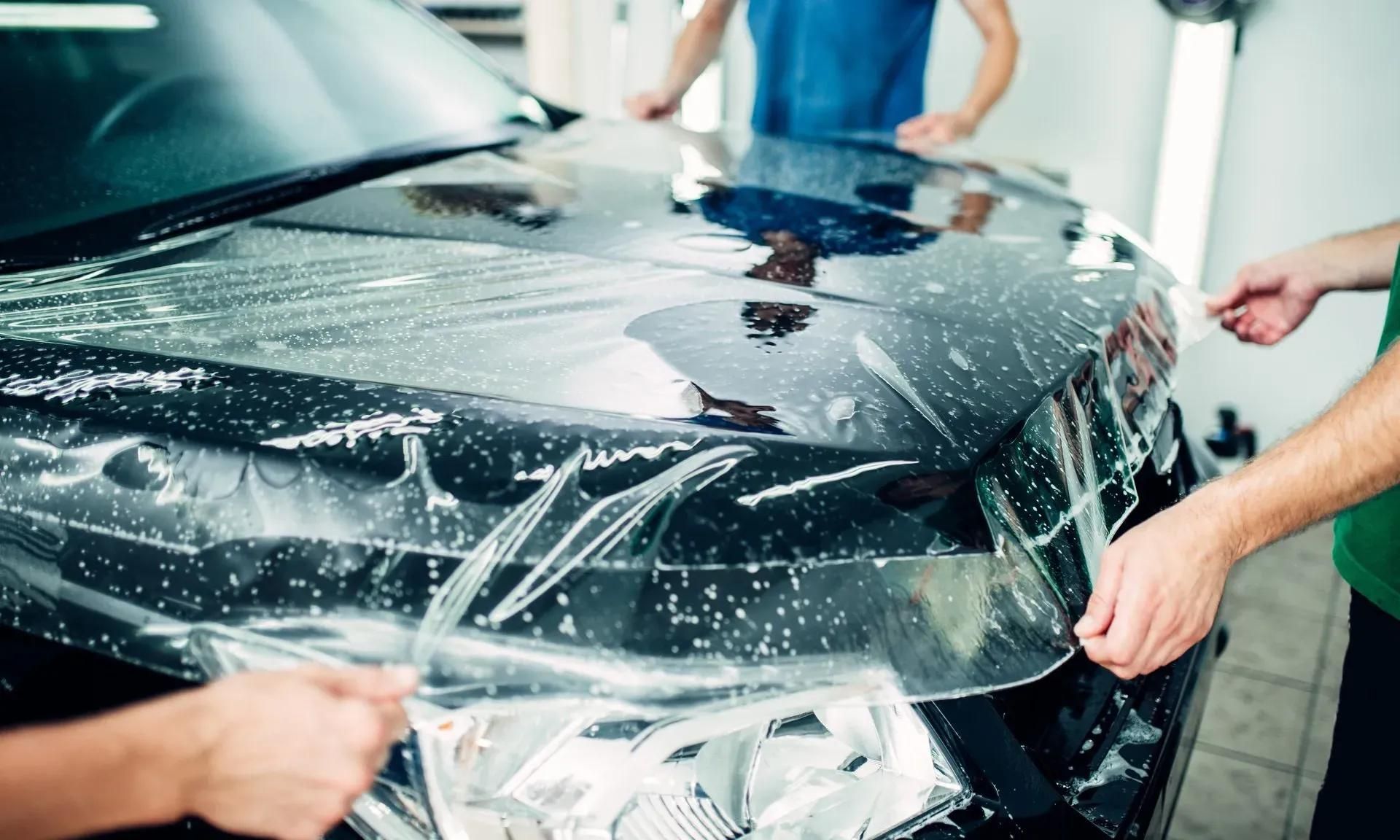
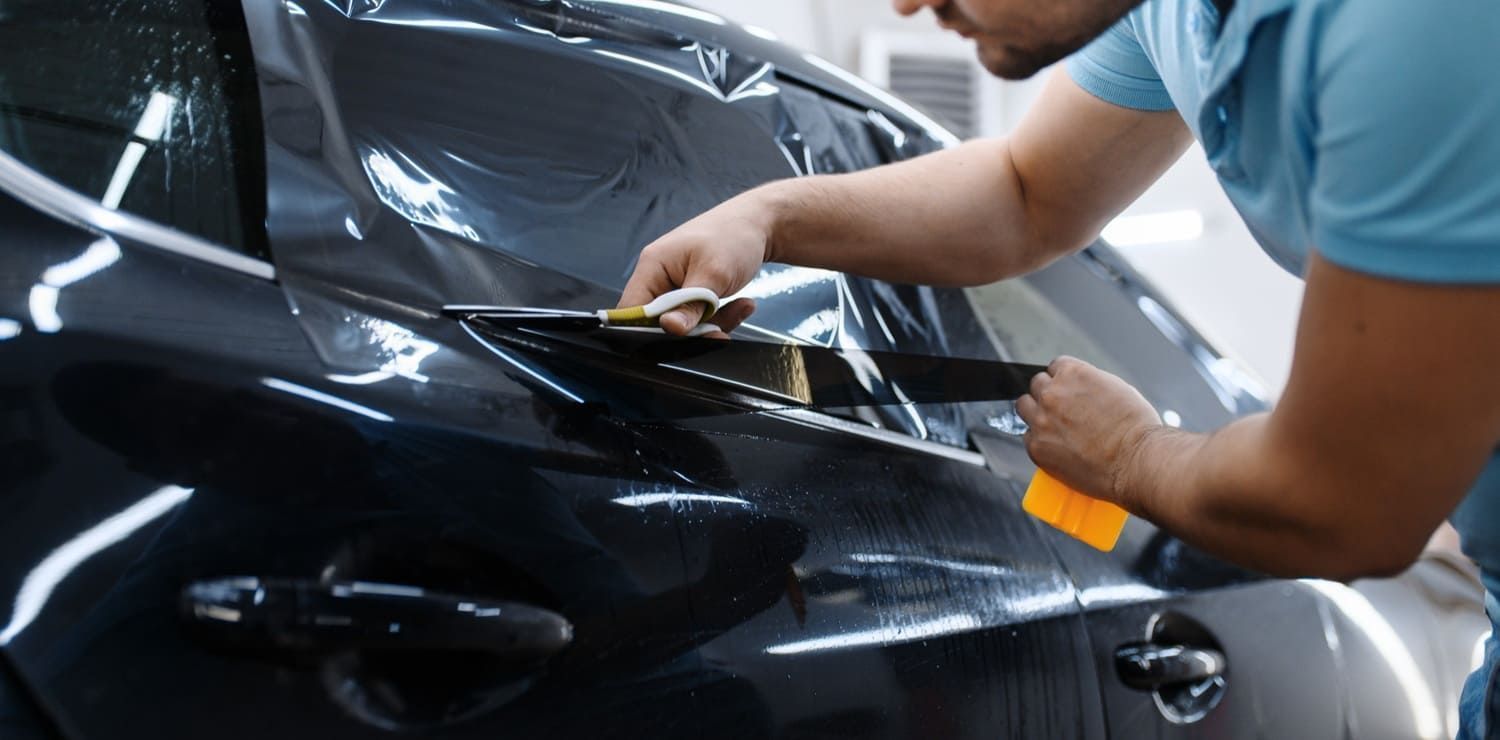
Paint protection film, sometimes called clear bra, is a transparent thermoplastic urethane film applied directly over your vehicle's painted surfaces. It acts as a sacrificial barrier, so damage that would otherwise reach your clear coat hits the film instead.
Quality PPF offers:
- Physical impact protection against rock chips, gravel, and road debris
- A self-healing top coat that makes light scratches and swirl marks fade with heat
- Stain resistance against bug splatter, bird droppings, tree sap, and road grime
- UV defense that helps prevent paint fading and oxidation
- Optical clarity that preserves the factory look, or a matte finish if preferred
- Professional removal without damaging factory paint
What Is Ceramic Coating?
Ceramic coating is a liquid polymer, usually silica-based, applied by hand to paint. It cures into a hard, glossy, hydrophobic layer bonded to the clear coat.
Ceramic coating offers:
- Enhanced gloss and depth
- Strong water beading that makes washing easier
- Chemical resistance that helps contaminants wipe away more easily
- Some UV resistance for the clear coat
What ceramic coating cannot do is absorb impacts. Because it is extremely thin, a rock that would chip bare paint will chip coated paint too.
How Florida Sun and Coastal Conditions Test Paint Protection
To understand which option protects better, it helps to look at what Brevard County actually throws at your vehicle.
Year-Round UV Exposure
Florida's sun is strong nearly every month of the year. Over time, UV radiation breaks down clear coat, causing fading, chalkiness, and oxidation, especially on dark colors and horizontal surfaces like hoods and roofs. A thicker protective layer gives UV more material to pass through before it reaches the paint.
Heat That Bakes Contaminants Into Paint
Hot surface temperatures speed up the chemical reactions that cause bug splatter and bird droppings to etch paint. During lovebug season, remains left on a hot hood can leave permanent marks within days.
Salt Air Along the Coast
Drivers in Melbourne Beach, Indialantic, Satellite Beach, Cocoa Beach, and along A1A deal with salt-laden air that settles on paint. Salt residue dulls finishes and accelerates corrosion where chips expose bare metal.
Highway Debris
Commutes on I-95, US-1, US-192, and the causeways send sand, gravel, and construction debris into front bumpers, hoods, and mirrors. This is where the difference between film and coating becomes obvious.
Sudden Storms and Water Spotting
Afternoon showers followed by intense sun can leave mineral spots that etch into unprotected clear coat.
PPF vs. Ceramic Coating: Head-to-Head Comparison
| Feature | Paint Protection Film (LLumar) | Ceramic Coating |
|---|---|---|
| Rock chip protection | Excellent | None |
| Scratch resistance | Self-healing top coat | Moderate, light marring only |
| UV protection | Excellent, thick physical barrier | Good, thin chemical layer |
| Stain and etching resistance | Excellent | Very good |
| Gloss enhancement | Yes, or matte option | Yes |
| Hydrophobic, easy cleaning | Yes, especially Valor with Tetrashield | Yes |
| Typical lifespan | 10 to 12 years depending on film | Typically 2 to 5 years |
| Warranty | 5 to 12 years depending on film | Varies by product and installer |
| Removable | Yes, with professional removal | Wears off over time or must be polished off |
| Best for | Long-term protection from Florida sun and road damage | Gloss and easy maintenance on low-impact areas |
Why PPF Protects Better in Florida Sun
When you compare the two under real Space Coast conditions, PPF comes out ahead for several reasons.
Thickness Matters for UV and Heat
PPF is many times thicker than a ceramic coating. That physical barrier gives your paint far more protection from UV breakdown and heat-accelerated contaminants than a coating that measures only a fraction of that thickness.
It Stops Damage Coatings Cannot
Rock chips are one of the most common forms of paint damage on Florida highways. A coating cannot absorb those impacts. PPF can, and once a chip reaches bare metal in salty coastal air, corrosion can follow.
Self-Healing Keeps It Looking New
Florida heat actually works in PPF's favor. Light scratches and swirl marks in the film's top coat relax and fade with warmth from the sun or engine. Ceramic coatings do not self-heal.
It Lasts Through More Florida Summers
Premium LLumar PPF is designed to last 10 to 12 years depending on the product line. Ceramic coatings typically need reapplication after a few years, so the total cost of maintaining a coating over a decade can add up.
It Is Fully Removable
When it is time to sell or refresh, professionally removed PPF reveals paint that has been shielded for years. That preserved factory finish supports stronger resale and trade-in value.
When Ceramic Coating Still Makes Sense
Ceramic coating is not a bad product. It simply does a different job. It can make sense when:
- You want extra gloss and easy washing on panels that are not covered by film
- Your vehicle sees mostly low-speed, around-town driving with little highway exposure
- You are on a tight budget and want short-term protection
- You want an added hydrophobic layer over existing PPF
Many owners use both: PPF on high-impact areas like the front bumper, hood, fenders, and mirrors, and a coating on the rest of the vehicle. Ceramic coatings can generally be applied over PPF for added slickness, although you should confirm compatibility with the film manufacturer's care guidelines.
The Best of Both Worlds: LLumar Valor PPF
For Florida drivers who want PPF protection and coating-like easy cleaning, LLumar Valor is a standout option. Valor combines paint protection film with an easy-clean surface featuring OEM-trusted Tetrashield technology. It offers:
- A super hydrophobic surface with deep gloss
- Strong resistance to corrosives like bird droppings and road salt
- Up to 25% more environmental resistance than typical PPF
- Self-healing technology
- Optical clarity with no orange peel texture
- A 12-year limited warranty
For many Melbourne drivers, Valor removes the need to choose between film and coating on protected panels.

LLumar PPF Options at Sunstopper Window Tinting
| LLumar Film | Key Strength | Warranty | Best For |
|---|---|---|---|
| Valor | PPF plus easy-clean hydrophobic Tetrashield surface | 12 years | Drivers wanting maximum protection and the easiest maintenance in strong Florida sun |
| Platinum Gloss | High-shine top coat that blends with factory paint, HydroGard stain resistance | 10 years | New vehicles, daily drivers, and leased vehicles |
| Platinum Extra | Thicker film with LLumar's highest impact resistance | 10 years | Heavy highway commuters and high-debris areas |
| Platinum Matte | Satin finish with self-healing and stain resistance | 10 years | Factory matte paint or converting gloss to matte |
| Select Black | Gloss black color change plus protection | 10 years | Blackout styling and accents |
| Gloss and Matte | Affordable, road-tested protection | 5 years | Budget-conscious buyers and first-time PPF owners |
Coverage options range from a partial front package to full front, a track pack that adds A-pillars, roof edge, and rocker panels, and a full protection wrap covering every painted panel.
How to Choose the Right Protection for Your Vehicle
Use these steps to decide what fits your car and your driving.
Consider How You Drive
If you regularly drive I-95, US-1, or the causeways, PPF on the front end is the most important upgrade. Highway debris is the leading cause of chips.
Think About How Long You Will Keep the Vehicle
If you plan to keep your car for five years or more, PPF's long lifespan and warranty usually make it the better value.
Decide How Much Coverage You Need
A full front package protects the areas most exposed to debris. A full wrap offers complete UV and environmental protection, which is especially valuable for vehicles parked outside near the coast.
Choose the Finish You Want
Gloss films preserve the factory shine. Matte films protect factory matte paint or create a satin look. Select Black adds a gloss black restyle.
Prioritize Easy Maintenance if It Matters to You
If you want the water-beading, easy-wash feel of a coating, LLumar Valor delivers it with full PPF protection.
How to Care for PPF in Florida
A simple routine helps your film last its full lifespan:
- Wash regularly with a pH-neutral car soap
- Hand wash or use touchless car washes, avoiding harsh brush washes
- Remove bug splatter, bird droppings, and sap promptly, especially in summer heat
- Rinse off salt residue after beach trips
- Let the sun's heat help self-heal light swirl marks
Frequently Asked Questions About PPF and Ceramic Coating in Florida
Is PPF better than ceramic coating in Florida?
Yes, for overall protection. PPF provides a thick physical barrier against UV, rock chips, scratches, and etching, while ceramic coating mainly adds gloss and easy cleaning. Premium PPF also lasts significantly longer.
Does ceramic coating protect against rock chips?
No. Ceramic coating is too thin to absorb impacts from rocks and road debris. Only paint protection film provides physical chip protection.
How long does PPF last in the Florida sun?
LLumar PPF lasts 10 to 12 years depending on the product line. Valor includes a 12-year warranty, and the Platinum series includes 10-year warranties.
Can you put ceramic coating on top of PPF?
Generally yes. Many owners add a coating over PPF for extra slickness. LLumar Valor already includes a super hydrophobic Tetrashield surface, so many drivers find a separate coating unnecessary on filmed panels.
Does PPF turn yellow in the sun?
Modern premium films like LLumar's are designed to resist yellowing, and their warranties cover yellowing, cracking, peeling, and delamination.
Will PPF change how my car looks?
Quality LLumar PPF is optically clear and nearly invisible when professionally installed, and it can enhance paint depth and gloss. Matte options are available for flat finishes.
What parts of my car should get PPF first?
Start with high-impact areas: the front bumper, hood, fenders, and mirrors. For maximum protection, add rocker panels, A-pillars, door edges, and the rear bumper, or choose a full wrap.
Protect Your Paint From the Florida Sun With Sunstopper Window Tinting
When it comes to defending your paint against Florida sun, salt air, and road debris, paint protection film offers protection that ceramic coating simply cannot match. It shields against UV and chips, heals light scratches on its own, and lasts for a decade or more. And with LLumar Valor, you can also enjoy the easy-clean benefits that draw so many people to ceramic coatings.
Sunstopper Window Tinting has served Melbourne since 1979 and is the one and only original Sunstopper of Melbourne. Led by owner Ken Campbell, who brings more than 35 years of window film industry experience, the team is a LLumar SelectPro and FormulaOne authorized dealer installing premium LLumar paint protection films backed by manufacturer warranties. Sunstopper proudly serves drivers throughout Melbourne, West Melbourne, Palm Bay, Viera, Indialantic, Satellite Beach, Indian Harbour Beach, Melbourne Beach, Rockledge, Suntree, Merritt Island, Cocoa, and Cocoa Beach.
Ready to give your paint the protection it needs? Call Sunstopper Window Tinting at (321) 768-1215, visit the shop at 2544 S Harbor City Blvd in Melbourne by appointment, or request a free paint protection film estimate online.