
How Long Does Ceramic Tint Take to Cure in Humid Climates? A Melbourne, FL Guide
Sunstopper Window Tinting Blogger • September 24, 2026
If you've just had ceramic tint installed on your car in Melbourne or anywhere along Florida's Space Coast, you've probably noticed something a little alarming: your windows look hazy, maybe even streaky. Before you panic, here's what you need to know — that's completely normal, and it's actually more pronounced here than it would be in a drier climate. This guide explains exactly how long ceramic tint takes to cure in Brevard County's humid conditions, why humidity affects the process, and what you should (and shouldn't) do while you wait.
Why Window Tint Looks Hazy Right After Installation
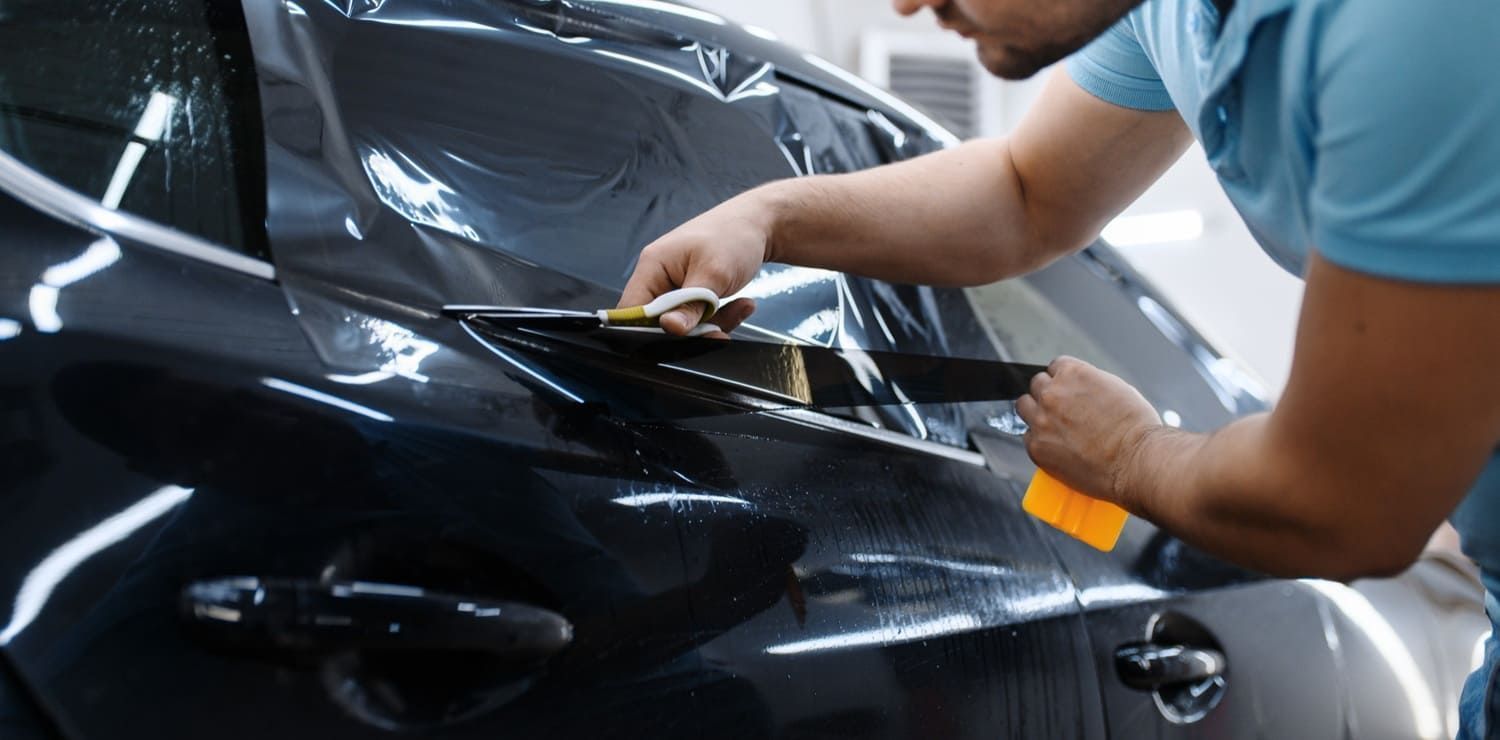
When ceramic tint is professionally installed, a thin layer of moisture remains trapped between the film and the glass. That moisture is what causes the hazy, streaky, or blotchy appearance you'll notice in the days immediately following installation. It's not a defect, and it's not a sign of a bad installation — it's simply part of how window film adheres to glass. As that trapped moisture gradually evaporates through the film, the haze clears and your windows settle into the clean, clear finish you were expecting.
How Long Does Curing Normally Take?
Curing time depends on several factors: the type of film, the darkness and construction of the ceramic tint, ambient temperature, sun exposure, and humidity. In moderate, drier conditions, curing can take anywhere from several days to a few weeks. In more humid environments — like Melbourne and the rest of Brevard County — curing can stretch out longer, sometimes taking a month or more for the moisture to fully evaporate and the film to reach its final, clear appearance.
Why Humidity Slows Down the Curing Process
This is the part that surprises a lot of Florida car owners. Curing happens because moisture trapped under the film evaporates through the film itself and into the surrounding air. In a low-humidity climate, that evaporation happens relatively quickly because the air around the vehicle can absorb moisture at a faster rate. In a high-humidity climate like Melbourne's — especially during the summer months when the air is already saturated with moisture — that evaporation process slows considerably. The surrounding air simply can't pull moisture out of the film as efficiently when it's already holding as much humidity as it can.
That means Brevard County drivers should expect ceramic tint to take noticeably longer to fully cure and clear up compared to what a shop in a drier region might quote. This isn't a flaw in the film or the installation — it's simply the nature of curing window film in a subtropical, high-humidity environment.
Factors That Affect Curing Time in Humid Climates
1. Season and Temperature
Warmer weather generally speeds up curing because heat helps drive moisture evaporation, even in humid conditions. Tint installed during Florida's hot summer months may cure somewhat faster than tint installed during cooler, damper stretches of the year — though summer humidity can partially offset that benefit.
2. Direct Sun Exposure
Vehicles parked in direct sunlight regularly during the curing period tend to cure faster than those kept in a garage or covered parking, since heat from the sun helps accelerate moisture evaporation through the film.
3. Film Type and Construction
Different films cure at different rates depending on their construction and thickness. Ceramic films can behave differently than dyed films during the curing window, so your installer can give you a more specific expectation based on the exact film used on your vehicle.
4. Humidity Levels on a Given Day
Since Brevard County humidity fluctuates seasonally — with the rainy summer months typically bringing the highest humidity — tint installed during Florida's wetter months may take longer to fully clear than tint installed during a drier stretch.
What You Should (and Shouldn't) Do While Tint Cures
1. Leave Your Windows Rolled Up
Avoid rolling your windows down for several days after installation. Moving the glass before the film has adhered can disrupt the curing process and risk lifting the edges of the film.
2. Don't Clean the Inside of the Glass Right Away
Wait at least a week before cleaning the inside of your tinted windows. When you do clean them, use an ammonia-free window cleaner and a soft cloth or squeegee — ammonia-based cleaners can damage the film, and abrasive materials can scratch the surface.
3. Expect the Haze to Gradually Improve, Not Disappear Overnight
It's normal for clarity to improve in stages rather than all at once. You may notice small trapped moisture pockets clear up over the first couple of weeks while the rest of the window takes longer, especially during Florida's more humid months.
4. Don't Assume Haziness Means a Problem With the Film
Because humidity extends the curing timeline here more than in drier regions, it's easy to assume something went wrong if your windows still look slightly hazy after a couple of weeks. In most cases, this is simply the normal curing process taking longer due to local climate conditions — not a defect in the film or the installation.
5. Contact Your Installer If Haze Persists Well Beyond the Expected Window
If your windows still look significantly hazy or streaky after a month or more, it's worth reaching out to your installer. A reputable shop backed by a manufacturer's warranty will be able to tell you whether what you're seeing is still normal curing or something that needs a closer look.
Frequently Asked Questions
Get Ceramic Tint Installed by Melbourne's Original Window Tinting Experts
Curing takes longer in Brevard County's humid climate than it would in a drier region, and a hazy, streaky appearance in the days and weeks after installation is a completely normal part of that process — not a sign that anything went wrong.
Sunstopper Window Tinting has been Melbourne 's original, trusted window tinting installer since 1979, and remains the only CPFilms Accredited Elite Dealer in Brevard County, offering LLumar and FormulaOne ceramic tint backed by a lifetime warranty. Call Sunstopper Window Tinting at 321-768-1215 or request a free estimate to get your ceramic tint installed by a team that knows exactly how Florida's climate affects the process.