What Is the Best Tint Percentage for Safer Night Driving?
If you are trying to decide on the best tint percentage for night driving, the short answer is that darker is not always safer. Window tint darkness is measured by VLT, or Visible Light Transmission, which tells you how much light passes through the glass and film together. A lower VLT means a darker tint, while a higher VLT means more light gets through. That matters because glare reduction can improve daytime comfort, but overly dark film can also make it harder to see pedestrians, lane markings, and roadside hazards after sunset. In Florida, legal tint limits also narrow your choices, especially for front side windows and the windshield. For many drivers in Melbourne, Palm Bay, Titusville, Cocoa, Satellite Beach, and Indialantic, a mid-range VLT such as 20% to 35% often offers a practical balance. The right pick depends on your night driving habits, eyesight sensitivity, film quality, and whether you want a legal setup that stays comfortable year-round.

Table of Contents
- What Tint Percentage (VLT) Actually Means
- How Different Tint Percentages Affect Night Vision Behind the Wheel
- Florida Window Tint Laws and Legal VLT Limits by Window
- Best Tint Percentage for Front Windows vs Rear Windows and Windshield
- Ceramic vs Standard Film: Why Film Quality Matters as Much as Darkness
- Common Mistakes Drivers Make When Choosing Tint Percentage
- How to Choose the Right Tint Percentage for Your Driving Habits
- FAQ
What Tint Percentage (VLT) Actually Means
VLT stands for Visible Light Transmission. It is the percentage of visible light that passes through your window glass and tint film. This is the number drivers are usually talking about when they say 5%, 20%, 35%, or 50% tint.
The lower the percentage, the darker the film appears. A 5% film lets in very little light and creates a very dark look. A 50% film is much lighter and allows more visibility, especially after dark. This is why the best tint percentage for night driving is not simply the darkest film you can get.
Why VLT matters for safety
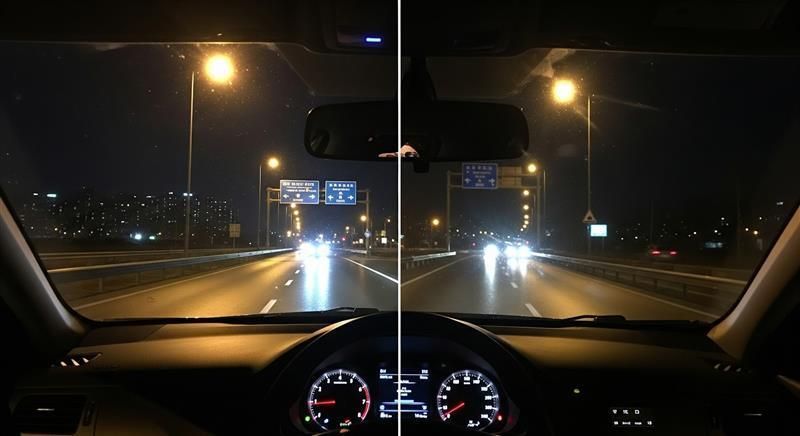
Night driving depends on contrast, depth perception, and your ability to notice low-light hazards quickly. If your film blocks too much visible light, your eyes have less information to work with. That can make it harder to judge distance, identify cyclists or pedestrians, and see poorly lit turns during rainy Florida nights.
Why VLT matters for comfort
At the same time, VLT affects how much sun, glare, and brightness enter the vehicle during the day. Many drivers want relief from harsh sunlight without creating a setup that feels too dark after sunset. That is why window tint VLT should be chosen as a balance between comfort and clarity, not just appearance.
Why VLT is only part of the story
Two films with the same VLT can perform differently. One may look clear and crisp from inside the vehicle, while another may create more haze or visual strain. This is one reason ceramic window tint safety is often part of the conversation. Higher quality film can help drivers stay within legal tint percentage Florida limits while still improving heat rejection and daily comfort.
How Different Tint Percentages Affect Night Vision Behind the Wheel
The biggest tradeoff with darker tint is that it can reduce the amount of useful light your eyes receive at night. That does not mean every darker film is unsafe, but it does mean each percentage creates a different driving experience once the sun goes down.
5% VLT
5% tint is extremely dark. It offers strong privacy and can cut intense daytime brightness, but it is generally a poor match for drivers who frequently travel at night. It can make side visibility significantly more difficult on unlit roads, during rain, and while backing up. It is also not a legal choice for front side windows in Florida.
20% VLT
20% tint is a popular darker option because it still gives a bold look and strong privacy. For some drivers, it can be workable at night, especially with quality film and good eyesight. For others, it feels noticeably dim on side windows after dark. If you often drive in poorly lit areas around Brevard County, 20% may be better reserved for rear glass rather than the front side windows.
35% VLT
35% tint is often one of the most practical choices for drivers who want comfort without sacrificing too much nighttime visibility. It reduces brightness and glare more than very light films, yet usually preserves better side-window clarity than 20% or darker options. Many drivers looking for the best tint percentage for night driving end up focusing on this range.
50% VLT
50% tint is light enough to keep a more open view at night while still softening brightness during the day. It offers less privacy than darker films, but many drivers appreciate the extra clarity. This can be a strong option for those who are sensitive to low-light visibility, older drivers, or anyone who spends a lot of time driving before sunrise or after dark.
Quick comparison table
| VLT Percentage | Night Visibility Impact | Daytime Glare and Heat Reduction | Privacy Level | Legal Status in Florida | UV Protection | Best Use Case | Popularity Among Drivers |
|---|---|---|---|---|---|---|---|
| 5% VLT | Major reduction in side visibility at night | Very strong glare reduction and dark appearance | Very high | Not legal for most front side window use | Depends on film type, not darkness alone | Rear windows only where legally appropriate and if driver accepts reduced visibility | Popular for appearance, less practical for night-focused drivers |
| 20% VLT | Noticeably darker at night, can challenge some drivers | Strong daytime comfort and glare control | High | Often too dark for front side windows in Florida, better checked by vehicle and glass combination | Good with quality film | Rear windows, or drivers prioritizing privacy over maximum night clarity | Very popular |
| 35% VLT | Balanced visibility for many drivers | Good glare and heat reduction | Moderate | Common legal target range for front side windows when installed correctly | Good with standard film, excellent with ceramic film | Front side windows for many drivers, all-around daily use | Highly popular |
| 50% VLT | Best nighttime clarity among common tint choices | Light to moderate comfort improvement | Low | Generally easier to keep legal on front glass | Can still be strong with premium film | Front side windows, windshield strip areas where allowed, night-heavy drivers | Popular with drivers who prioritize visibility |
Florida Window Tint Laws and Legal VLT Limits by Window
Florida tint laws matter because the safest option is also one you can use legally every day. Drivers should always confirm current state rules and how factory glass affects final VLT, but the general takeaway is simple: front window choices are more restricted than rear window choices.
Front side windows
Florida front side windows must allow more visible light through than many drivers expect. That means very dark film usually is not an option if you want a compliant setup. This is one reason 35% often gets attention in conversations about legal tint percentage Florida rules.
Rear side windows
Rear side windows are allowed to be darker than front side windows in many Florida passenger vehicles. Drivers who want added privacy often use this flexibility to create a darker rear profile while keeping better visibility in the front.
Rear window
The rear window may also allow darker film, depending on the vehicle and applicable rules. Even when it is legal, drivers should think about backing visibility at night and in heavy rain before choosing a very low VLT.
Windshield
Florida does not allow a full dark windshield tint for standard road use. In most cases, only a non-reflective strip at the top is permitted. This is important because some drivers assume a darker windshield would cut glare best, when in reality it would also create major visibility concerns.
The practical takeaway is that Florida tint laws naturally steer many drivers toward moderate front window shades and darker rear glass if they want a balance of comfort, style, and compliance. A professional installer can measure your existing glass and recommend a film that lands in the proper range.
Best Tint Percentage for Front Windows vs Rear Windows and Windshield
The best tint percentage is not always the same for every piece of glass on the vehicle. Different windows serve different purposes, and night visibility matters most where you need the clearest side and forward views.
Best tint percentage for front windows
For many drivers in Melbourne FL, the sweet spot for front side windows is often in the 35% to 50% range, depending on the vehicle, existing factory glass, and how often the driver is on the road at night. This range typically preserves better side visibility while still reducing daytime brightness.
Best tint percentage for rear windows
Rear windows can often go darker because they are not as critical for direct forward scanning while driving. Some drivers prefer 20% on rear side and rear glass for more privacy, especially on SUVs and family vehicles. The key is making sure the front remains comfortable and usable after dark.
What about the windshield?
For legal road use, drivers should avoid treating the windshield like side glass. Even a light windshield film choice must be evaluated carefully under Florida law. In most cases, drivers seeking nighttime safety focus instead on quality side-window film, a legal top strip if allowed, and clear glass maintenance.
Best setup for most all-around drivers
A practical combination is often a lighter front window VLT paired with a somewhat darker rear section. This keeps the cabin cooler and more private without making nighttime lane changes and turns feel overly dim. It also matches the real-world needs of commuters, parents, and coastal drivers who deal with bright daytime sun and evening traffic.

Ceramic vs Standard Film: Why Film Quality Matters as Much as Darkness
Film quality can affect comfort, clarity, and long-term satisfaction just as much as VLT. Two films may both be labeled 35%, but they may not look or perform the same from inside the vehicle.
Why ceramic film stands out
Ceramic film is popular because it can provide premium heat rejection and UV protection without requiring the darkest possible shade. That matters for drivers who want nighttime clarity and daytime comfort together. When people search ceramic window tint safety, they are often looking for exactly this balance.
Ceramic vs dyed film at the same VLT
| Feature | Ceramic Film | Dyed or Standard Film |
|---|---|---|
| Night driving clarity at same VLT | Often cleaner, sharper view with less visual strain when made to a high standard | Can vary more by product and may feel less crisp over time |
| Heat rejection | Higher performance without needing extra darkness | Usually more dependent on darker shades for comfort |
| UV protection | Strong protection in premium products | Can be good, but performance varies more |
| Durability | Long-lasting, color-stable, premium finish | May fade or age faster depending on product quality |
| Best fit | Drivers who want comfort, compliance, and clarity | Budget-focused drivers willing to accept tradeoffs |
For drivers who want precise, legally compliant VLT options with a refined finish, LLumar window tint is a strong fit. Sunstopper Window Tinting uses LLumar products, which are known for premium appearance, reliable performance, and professional installation standards. For drivers who care about night driving clarity, that consistency matters more than simply chasing a darker number.
Common Mistakes Drivers Make When Choosing Tint Percentage
One of the most common mistakes is choosing tint based only on how it looks from outside the vehicle. Appearance matters, but it should not outweigh visibility and legality.
Assuming darker always means safer
Darker tint can reduce harsh sunlight, but that does not automatically make it better for night driving glare. At night, your challenge is usually seeing enough detail, not blocking bright sun. If the tint is too dark, glare reduction can come at the cost of useful visibility.
Ignoring Florida law
Some drivers pick a percentage they saw online without checking whether it is legal in Florida. That can lead to wasted money, reduced safety, or a ticket for non-compliant tint.
Focusing only on VLT and ignoring film quality
A premium film at a moderate VLT can feel more comfortable and easier to live with than a cheaper, darker film. This is why many drivers researching window tinting Melbourne FL end up comparing product quality, warranty, and installer experience along with shade percentage.
Not thinking about rain and low-light roads
Brevard County drivers often deal with storms, reflective pavement, and stretches of lower lighting outside busier corridors. A tint that feels fine in daylight may feel very different in heavy rain at night.
How to Choose the Right Tint Percentage for Your Driving Habits
The best way to choose tint is to match the film to how you actually drive. If you spend most of your time commuting in daylight and want more privacy, you may lean darker within legal limits. If you often drive before sunrise, after work, or on dim roads, a lighter front window choice may be safer and more comfortable.
Questions to ask yourself
- How often do you drive at night or in the rain?
- Do you struggle with glare, low-light contrast, or eye fatigue?
- Do you want more privacy, more heat control, or both?
- Are you trying to stay as close as possible to Florida legal limits?
- Would a premium ceramic film let you get the comfort you want without going darker?
A practical recommendation for many local drivers
For many drivers in Melbourne, Palm Bay, Titusville, Cocoa, Satellite Beach, and Indialantic, a front window VLT in the 35% to 50% range combined with a quality ceramic film is a smart place to start. It supports clearer nighttime visibility while still improving daytime comfort. Drivers who want more privacy often choose darker rear glass, provided the setup remains compliant and practical.
If you want a more precise answer, the best step is to work with an experienced installer who can explain your legal options, measure your glass, and show you real samples. An exclusive LLumar SelectPro Dealer can help you compare shades accurately and choose a film backed by a lifetime warranty and professional, bubble-free installation.
FAQ
What is the safest tint percentage for night driving?
For many drivers, a moderate VLT such as 35% to 50% offers the best balance between glare control and night visibility. The safest choice depends on your eyesight, driving habits, and whether you regularly drive on dark roads.
What is the darkest legal tint in Florida?
The darkest legal tint depends on which window you are tinting and the type of vehicle. Front side windows must stay lighter than many drivers expect, while rear windows often have more flexibility. A professional installer should verify the final VLT on your specific vehicle.
Does 20% tint make it harder to see at night?
It can for some drivers. 20% tint noticeably reduces incoming light, so it may feel too dark on side windows at night, especially in rain or low-lit areas. Others may tolerate it better, but it is not the easiest option for maximum nighttime clarity.
Is 35% tint too dark for front windows?
Usually, 35% is considered a balanced option rather than an overly dark one. It often works well for drivers who want comfort and style while maintaining reasonable visibility at night, assuming the final installation stays within Florida law.
Can you tint your windshield legally in Florida?
Florida generally does not allow a full dark tint across the windshield for standard road use. In most cases, only a legal top strip is allowed. Always confirm current rules before making changes.
Does tint percentage affect how well you see in the rain at night?
Yes. The darker the tint, the less visible light reaches your eyes. In rain, where contrast is already reduced, that can make lane lines, curbs, and pedestrians harder to see.
What tint percentage do most Florida drivers choose?
Many Florida drivers look for a middle-ground setup. Moderate shades such as 35% for front windows and darker rear glass are common because they balance comfort, appearance, and usability.
Is ceramic tint safer than regular tint at night?
Ceramic tint is not automatically safer just because it is ceramic, but premium ceramic film can offer better overall comfort at lighter, legal shades. That can help drivers avoid choosing a darker film than they really need.
How is tint percentage measured and what does VLT mean?
VLT stands for Visible Light Transmission. It measures how much visible light passes through the window and film. Lower numbers are darker, while higher numbers are lighter.
Can I get a ticket for illegal tint in Florida?
Yes. If your tint does not meet Florida requirements, you can be cited. That is why choosing a legal setup and working with an experienced installer is important.
Conclusion
So, what is the best tint percentage for safer night driving? For most drivers, it is the shade that stays within Florida tint laws, fits real nighttime driving habits, and gives you the comfort you want without cutting too much visibility. In many cases, that means a moderate front window VLT, often in the 35% to 50% range, paired with a high-quality film rather than simply choosing the darkest option available. Film quality matters, and LLumar window tint is a strong choice for drivers who want precise shade options, long-lasting performance, and a clean, bubble-free finish installed by professionals. If you are comparing window tinting in Melbourne FL or anywhere in Brevard County, contact Sunstopper Window Tinting for a free consultation and quote. With LLumar products, expert installation, and a lifetime warranty from an exclusive LLumar SelectPro Dealer, you can choose a tint setup that supports comfort, style, and safer night driving.