Is Windshield Tint Legal in Florida and What Are the Limits?

Sunstopper Window Tinting Blogger • April 1, 2026

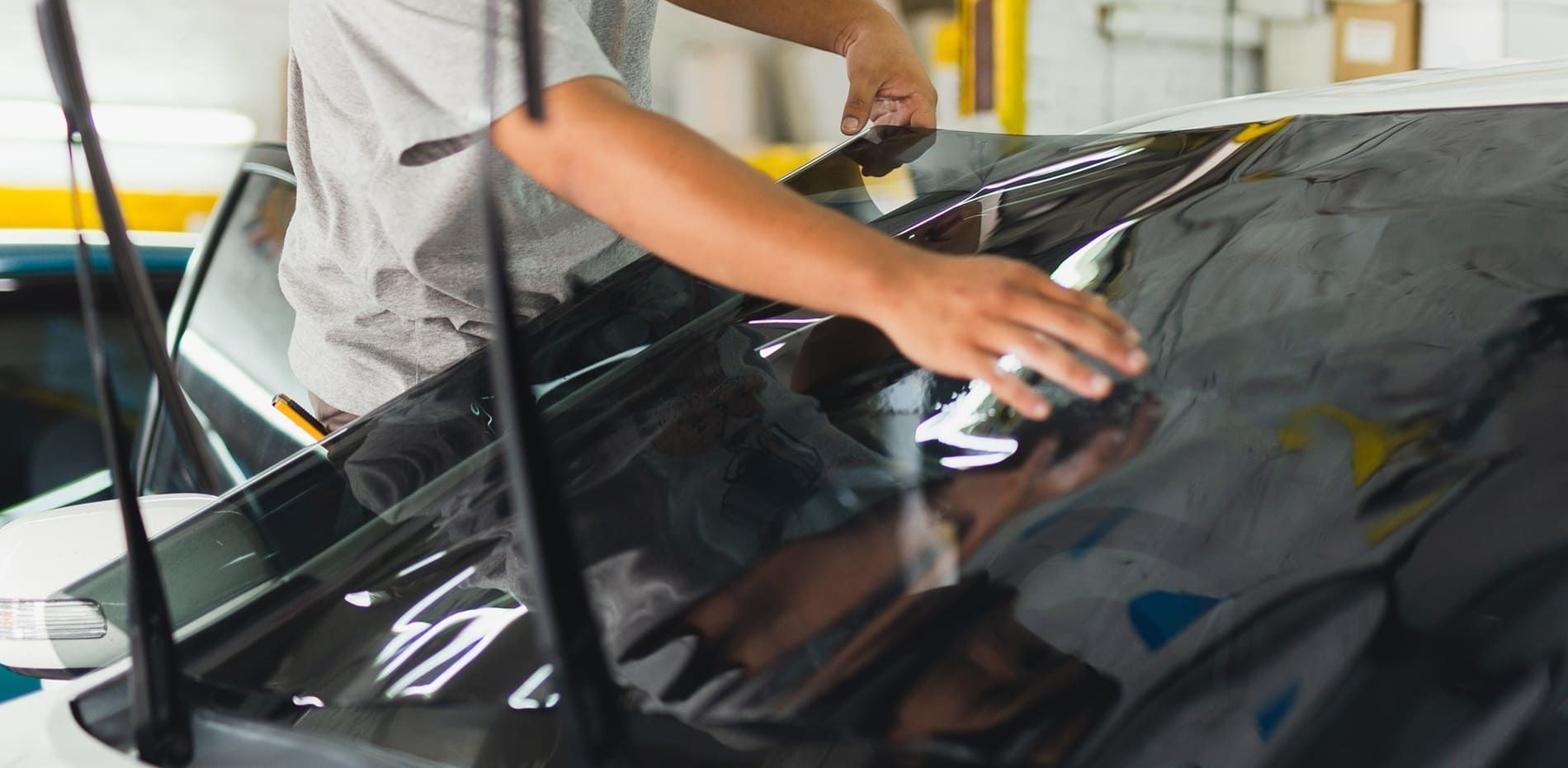
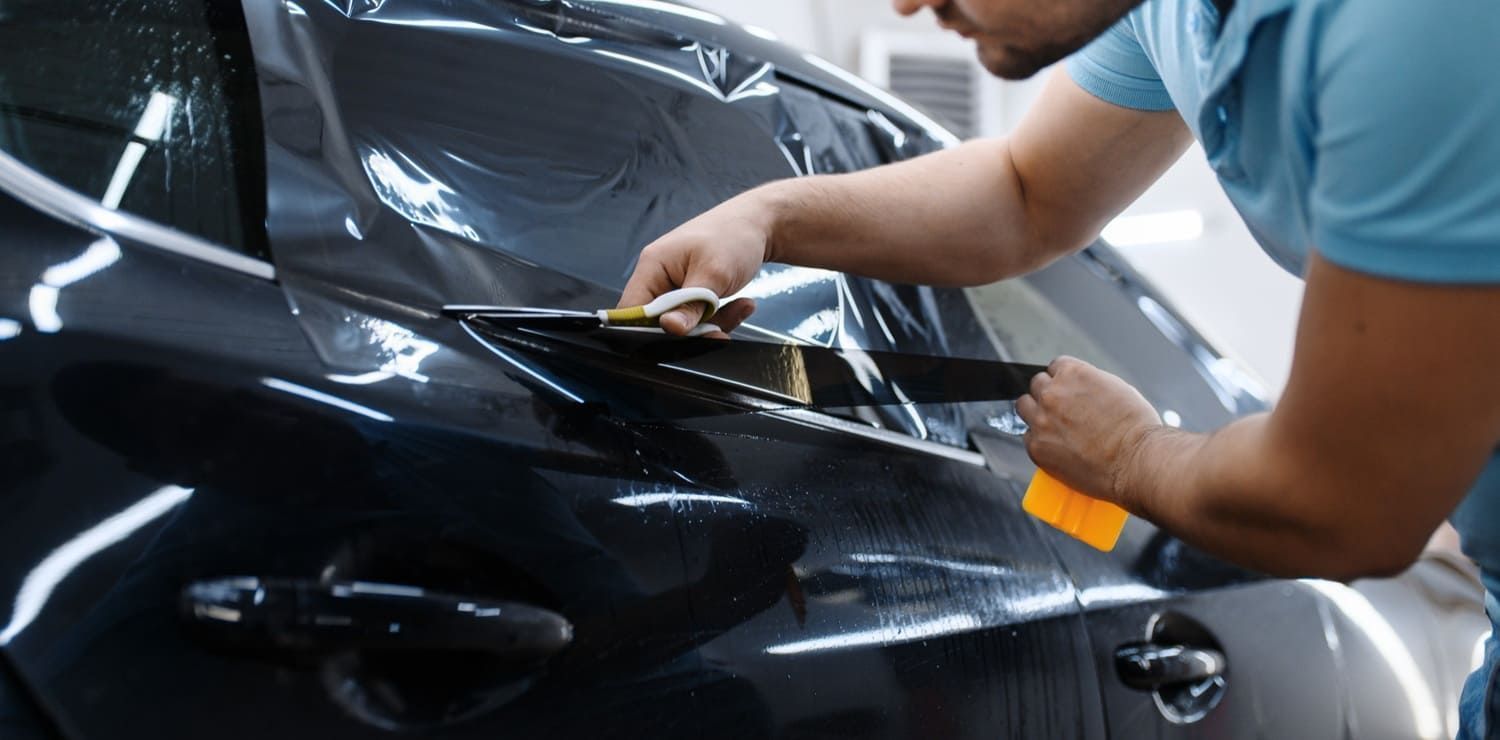
Florida windshield tint laws are one of the most misunderstood parts of the state’s window tint rules , especially for drivers in Melbourne and across Brevard County who deal with intense sun, glare, and heat almost year round. Many people assume “a little tint on the windshield” is always fine, but Florida law treats the windshield differently than side and rear glass, and improper installation can lead to citations, inspection issues, and the cost of removing the film. The good news is that there are legal options, including a properly sized visor strip and medically approved exemptions in limited cases. Understanding how visible light transmission (VLT) works and where the Florida AS-1 line tint rule applies helps you choose a solution that stays compliant while still improving comfort, reducing glare, and helping keep cabin temperatures under control. If you are considering LLumar FormulaOne window tint, learning the legal limits first is the smartest way to protect your investment.

Car under strong sunlight showing need for windshield tint

Table of Contents

1. How tint percentages and VLT really work

When people ask, “Is windshield tint legal in Florida?” they are usually asking about how dark the film can be. Tint darkness is measured using visible light transmission , also called VLT . VLT is the percentage of visible light that passes through the glass and the film together.

Here is the key point that confuses many drivers: the film percentage and the final measured VLT are not always the same thing . Factory glass often has a slight tint from the manufacturer, and that tint counts toward the final reading. If your glass already measures 75% VLT and you add a film labeled 50% VLT, the final reading may measure closer to 38% to 45% depending on the glass and film combination.

Florida law focuses on the measured VLT on the vehicle , not what the film box says. That is why professional installers use a tint meter and why choosing a shop that understands legal tint Melbourne FL requirements matters.

Quick VLT examples (simple way to think about it):

  • 50% VLT is relatively light. It reduces glare and helps with heat, while still looking subtle.
  • 35% VLT is a common “medium” tint in many states. It noticeably darkens the glass and reduces glare.
  • 20% VLT is dark. It provides strong glare reduction and privacy, but it is not legal on every window in Florida.

If you want your vehicle to stay compliant, think of VLT as a safety and visibility standard. The windshield is your primary visibility surface, so Florida’s restrictions are stricter there than on rear glass.

2. Florida windshield tint law and the AS-1 line tint rule

Under Florida windshield tint law , full windshield tint is typically restricted for standard passenger vehicles. Most legal windshield tint in Florida is limited to a visor strip at the top of the windshield.

What is the Florida AS-1 line tint rule? Many windshields have a small marking on the glass labeled AS-1 . The AS-1 line is a manufacturer reference line used for safety glazing standards. In Florida, the general idea is that the tint strip must not extend below the AS-1 line (or, if your windshield does not have a clearly visible AS-1 marking, the strip must remain within the legally allowed top portion of the windshield).

Why the AS-1 line matters : It creates a consistent boundary so the tinted strip stays out of the driver’s critical field of view. A visor strip can still help with Florida sun glare, especially during morning and late afternoon driving in Melbourne when the sun is low on the horizon.

Can you tint the entire windshield in Florida? For most drivers, the practical answer is no, not with dark film. Florida law generally does not allow a dark, full coverage film on the windshield for everyday use. However, clear or near clear options may exist in some contexts, and medical exemptions can allow additional tinting in certain cases. The details depend on the exemption documentation and the specific installation.

If your main goal is heat reduction, it is important to know that heat rejection is not only about darkness . High quality ceramic films, including LLumar FormulaOne window tint options installed by Sunstopper Window Tinting, can improve comfort significantly without requiring an excessively dark look.

3. Florida legal tint limits by window

Florida tint limits vary by window location and vehicle type . SUVs and vans can have different allowances for rear windows compared with sedans. The table below is a practical guide that helps you interpret common film choices like 20 percent, 35 percent, and 50 percent VLT.

Window area Florida legal requirement (typical standard) 50% VLT example 35% VLT example 20% VLT example
Windshield Visor strip only , above the AS-1 line (no full dark windshield tint for most vehicles) Usually not applicable for full windshield; can be used as a strip if sized correctly Usually not applicable for full windshield; may be used as a strip if it stays above AS-1 Not legal as full windshield tint in standard cases; strip use depends on placement above AS-1
Front side windows Must allow at least 28% VLT Legal (typically above the minimum) Often legal if final measured VLT stays ≥ 28% Not legal in most cases because it usually measures below 28%
Rear side windows (sedan) Must allow at least 15% VLT Legal Legal Often legal if the final measured VLT stays ≥ 15%
Rear window (sedan) Must allow at least 15% VLT Legal Legal Often legal if the final measured VLT stays ≥ 15%
Rear side windows and rear window (SUV/van) Often allowed down to 6% VLT on rear glass Legal Legal Legal in many cases on rear glass for SUVs and vans

Important notes for Melbourne and Brevard County drivers:

  • These limits describe common statewide standards, but measurement and enforcement are what matter in real life.
  • Your final VLT depends on the glass + film . A “35% film” can meter lower than 35%.
  • Shops that specialize in legal tint Melbourne FL installs can help you select a film that meters safely within the limit.

Professional installing windshield tint on a car in Florida

4. Medical exemptions for darker tint in Florida

Florida allows medical exemptions for drivers who have a qualifying medical condition that requires reduced sun exposure. If you have ever searched “is windshield tint legal in Florida with a medical exemption,” the answer is: it can be , but only when the exemption is properly approved and carried.

Medical exemptions typically require documentation from a licensed medical professional and approval through the appropriate state process. The exemption may allow darker tint than the standard VLT limits on certain windows. It is essential to confirm exactly what is permitted under your exemption because a medical note alone may not be enough if it is not in the approved format.

Practical tips for drivers considering an exemption:

  • Keep the exemption documentation in the vehicle so you can present it if asked.
  • Confirm whether the exemption applies to the windshield or only to side and rear windows.
  • Ask your installer to meter and document the final VLT so there is no confusion later.

If you want maximum comfort without pushing legal boundaries, a high performance ceramic film can often deliver the heat and UV benefits drivers want, even at compliant VLT levels.

5. Penalties and enforcement: what happens if your tint is illegal

Illegal tint can create problems in several ways. In addition to a traffic stop, drivers sometimes run into issues during vehicle inspections, after an accident, or when selling a vehicle and the buyer wants the tint verified.

Possible consequences of illegal tint in Florida include:

  • Citations and fines if the tint meters below the legal limit.
  • Fix it requirements , where you may be ordered to remove or replace the film.
  • Repeat stop risk , since very dark front windows or a tinted windshield can attract attention.
  • Safety concerns , including reduced visibility in heavy rain or at night, which is especially relevant during Florida storms.

Because windshield tint is so visible, it is one of the quickest ways to end up with compliance questions. A legal visor strip that respects the Florida AS-1 line tint rule is usually a safer option than trying to darken the entire windshield.

6. Staying compliant while beating the heat with modern ceramic tint

Florida heat is not just uncomfortable. It can fade interiors, stress A/C systems, and make daily driving in Brevard County feel exhausting. The best approach is to aim for performance , not simply darkness.

Modern ceramic window tint uses non-metal, nano-ceramic technology designed to improve heat rejection without interfering with electronics. That matters for many newer vehicles in Melbourne that rely on cameras, sensors, navigation, Bluetooth, and advanced driver assistance features.

Sunstopper Window Tinting installs LLumar FormulaOne window tint products designed to deliver excellent heat rejection , UV protection , and optical clarity while helping drivers stay within Florida legal tint limits. This is especially helpful when you want strong comfort improvements on the front side windows where Florida’s minimum VLT is stricter.

Performance comparison: darkness vs heat rejection (what drivers should know)

Two films can look similar but perform very differently. Ceramic films are often chosen because they can deliver strong infrared heat reduction at lighter VLT levels.

Feature Standard dyed film Metallic film Ceramic film (LLumar FormulaOne)
Glare reduction Good (depends on VLT) Good (depends on VLT) Excellent with balanced visibility
Infrared heat rejection Low to moderate Moderate High , even at lighter VLT
UV protection Varies Varies High UV protection to help protect skin and interiors
Optical clarity Varies by quality Can have reflectivity Designed for clarity and a premium look
Electronics compatibility Usually fine May cause interference in some cases Non-metal ceramic designed to avoid interference

How to choose a compliant tint that still reduces heat and glare

  • Start with the law : front side windows must meter at least 28% VLT, and windshield tint is generally limited to a visor strip above the AS-1 line.
  • Choose film for performance : ceramic tint can provide strong comfort without requiring extremely dark VLT.
  • Meter after installation : a professional shop can confirm the final VLT so you know you are within Florida limits.
  • Prioritize visibility : Florida storms and nighttime driving make clarity important, especially on the windshield.

Ask yourself: do you want the darkest look possible, or do you want a cooler, more comfortable cabin that stays legal? For most drivers, the second option is the better long term choice.

7. FAQ: Florida windshield tint and legal limits

  • Is windshield tint legal in Florida?

    Windshield tint is generally limited to a visor strip at the top of the windshield. Full dark windshield tint is typically restricted unless a specific exemption applies.

  • How dark can the windshield strip be in Florida?

    The strip must stay above the Florida AS-1 line tint rule boundary. The exact allowable darkness can depend on the interpretation and measurement, so a professional installer should confirm compliance for your vehicle.

  • What is the Florida AS-1 line tint rule?

    It is the rule that the tinted visor strip on the windshield must not extend below the AS-1 line marked on many windshields.

  • If my windshield has no AS-1 line, can I still do a visor strip?

    Often yes, but the strip still must stay within the legal top portion of the windshield. A professional shop can size it properly for your glass.

  • Is 20 percent tint legal in Florida?

    It is usually not legal on front side windows because Florida requires at least 28% VLT there. It may be legal on some rear windows depending on vehicle type and final measured VLT.

  • Is 35 percent tint legal in Florida?

    It often can be legal, especially on front side windows, if the final meter reading stays at or above 28% VLT. Your factory glass can change the final number.

  • Is 50 percent tint legal in Florida?

    It is typically legal on front side windows and is a common choice when you want a compliant tint that still reduces glare.

  • What is the legal tint for front windows in Florida?

    Florida law generally requires front side windows to allow at least 28% visible light transmission.

  • What is the legal tint for rear windows in Florida?

    For many passenger cars, rear side and rear windows typically must allow at least 15% VLT. SUVs and vans often have a lower allowable VLT on rear glass.

  • Do SUVs and vans have different tint limits in Florida?

    Yes. Rear windows on SUVs and vans are commonly allowed to be darker than rear windows on sedans.

  • How are tint percentages measured?

    A tint meter measures visible light transmission through the glass and film together. That final measurement is what matters for compliance.

  • Can a medical exemption allow darker tint in Florida?

    Yes, in some cases. You typically need approved documentation, and you should keep it in the vehicle.

  • Will ceramic tint help with heat even if I choose a lighter, legal shade?

    Yes. Ceramic films are designed to improve infrared heat rejection, which can make a big comfort difference without requiring very dark tint.

  • Does ceramic tint affect GPS, phones, or keyless entry?

    High quality non-metal ceramic films are designed to avoid the signal interference that older metallic films could sometimes cause.

  • What is the best legal tint option in Melbourne, FL for heat and glare?

    Many drivers choose compliant VLT levels on the front side windows paired with a legal visor strip, then use a high performance ceramic film like LLumar FormulaOne window tint for maximum heat rejection.

Conclusion: stay legal, stay comfortable in Florida sun

If you are researching Florida windshield tint law , remember the biggest takeaway: the windshield is treated differently . In most situations, Florida allows a visor strip above the AS-1 line rather than full windshield tint. Front side windows generally must meter at least 28% VLT , and rear window limits depend on whether you drive a sedan or an SUV or van. If you need darker tint for medical reasons, confirm the exemption process and keep the documentation in your vehicle.

For drivers in Melbourne and across Brevard County, the best strategy is to choose a film that delivers performance while staying compliant. Sunstopper Window Tinting installs LLumar FormulaOne Window Tintproducts designed for strong heat rejection, UV protection, and optical clarity, helping you stay within Florida legal tint limits while making every drive cooler and more comfortable.

Ready for a free estimate? ContactSunstopper Window Tintingto discuss legal tint options, visor strip sizing using the Florida AS-1 line tint rule, and the best LLumar FormulaOne package for your vehicle.

car window tint price near me
By Sunstopper Window Tinting Blogger February 17, 2026
Melbourne, FL drivers: explore 2026 window tint costs, film types, legal limits, and how to pick the best value for heat rejection, UV protection, and clarity.
car tint trends 2026
By Sunstopper Window Tinting Blogger December 31, 2025
Discover the top car tint trends drivers will see in 2026, from nano-ceramic tech to smart tint innovations, built for Florida heat and style.
Tesla window tinting laws
By Sunstopper Window Tinting Blogger November 19, 2025
Stay cool and compliant with Florida’s 2026 Tesla window tint laws. Learn legal limits, best ceramic tint options, and how to protect your EV’s comfort and range.
does paint protection film prevent scratches
By Sunstopper Window Tinting Blogger October 9, 2025
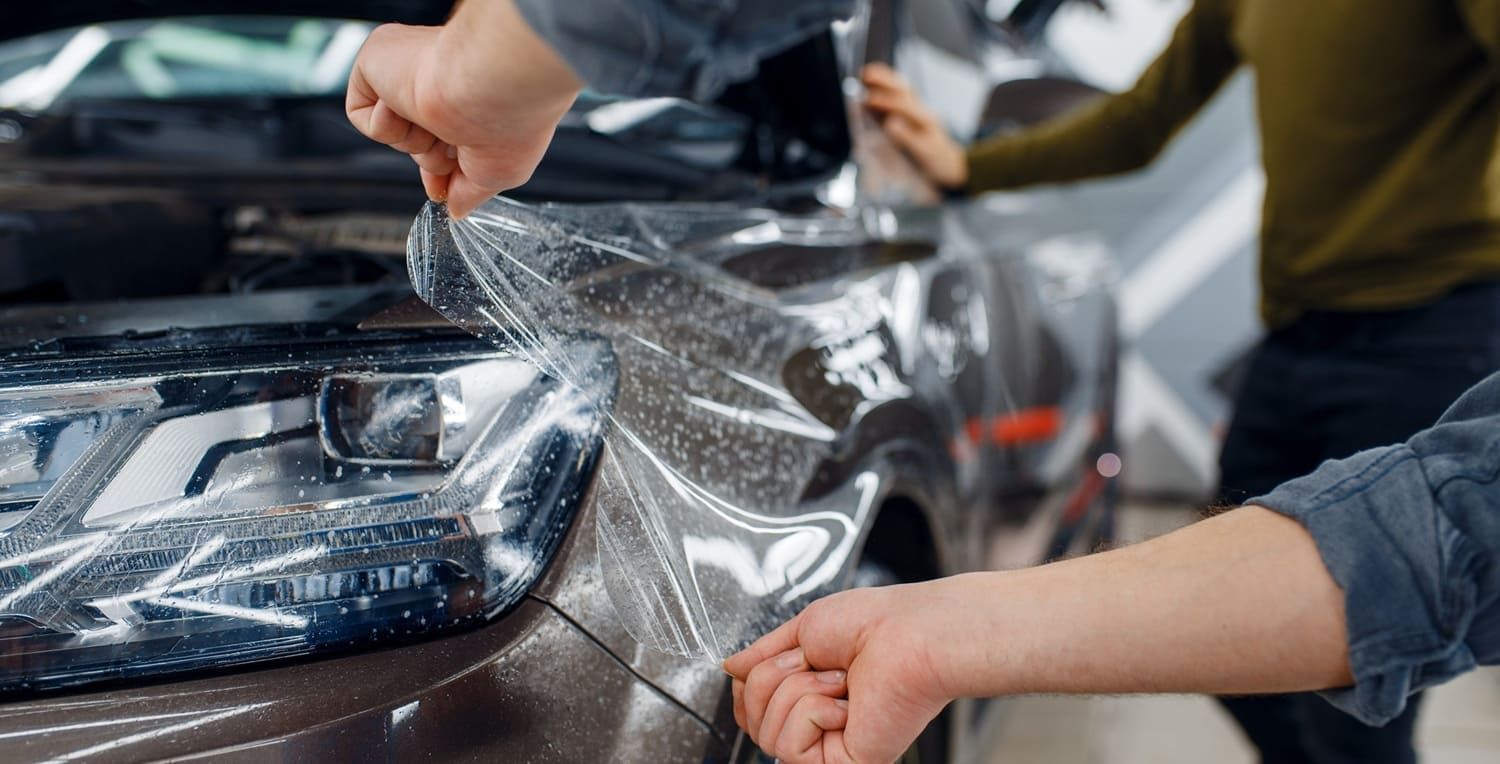
Protect your car's paint with paint protection film. Learn how PPF prevents minor scratches and preserves car value. Perfect for car enthusiasts!
Tesla window tint options
By Sunstopper Window Tinting Blogger September 18, 2025
Discover the best window tint for Tesla—ceramic vs. carbon films. Maximize comfort, UV protection, and aesthetics with expertly chosen and installed tints.
self-healing paint protection film
By Sunstopper Window Tinting Blogger August 21, 2025
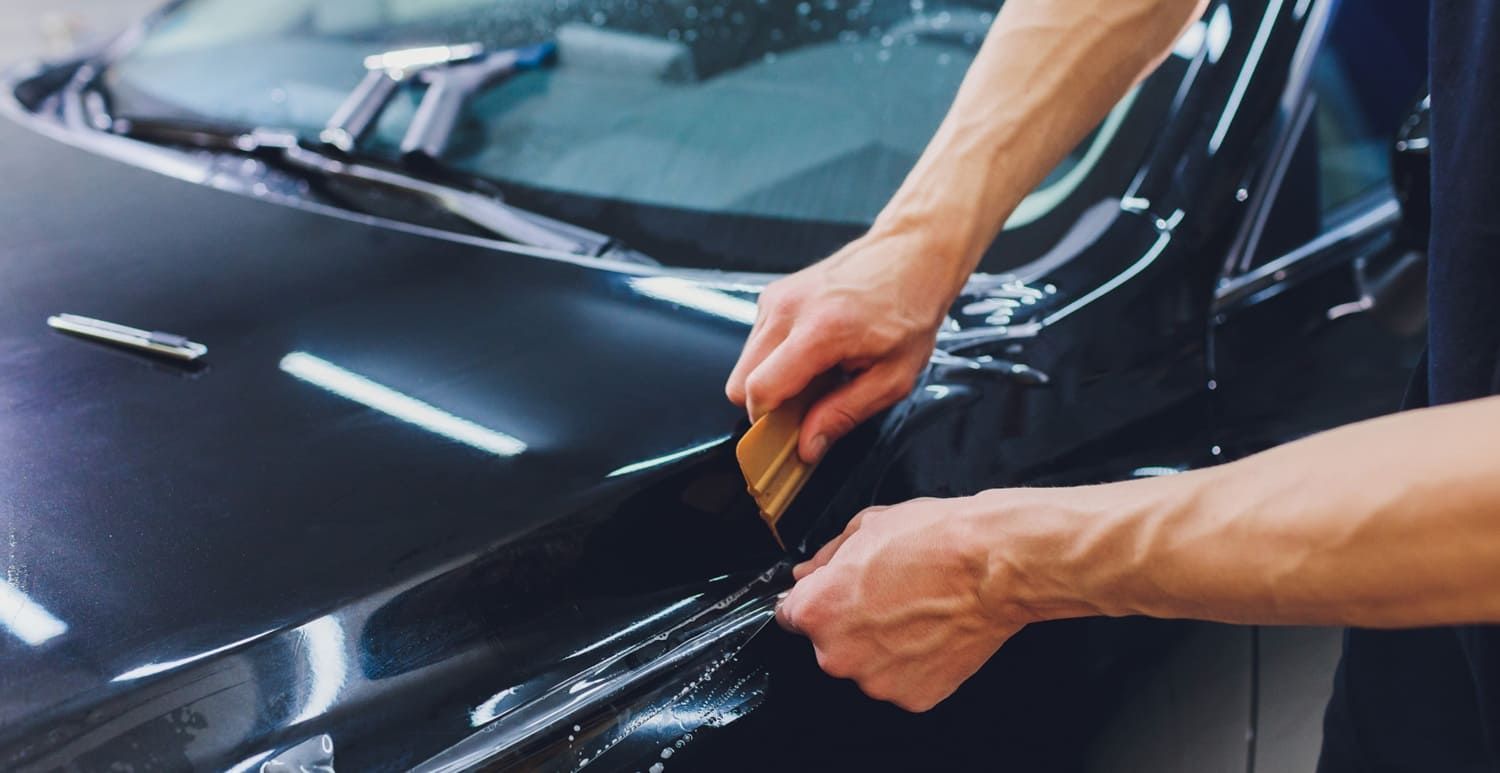
Discover why self-healing PPF is revolutionizing car paint protection. This advanced film repairs itself, ensuring a pristine, high-gloss finish.

car window tinting benefits
By Sunstopper Window Tinting Blogger July 29, 2025
Avoid interior damage and discomfort with window tinting. Learn how Llumar and FormulaOne car tints enhance protection and reduce glare while increasing privacy and security.
Premium clear bra service
By Sunstopper Window Tinting Blogger July 8, 2025
Protect your car's paint with a premium clear bra service. This top-tier paint protection film (PPF) shields against scratches and chips, preserving your vehicle's aesthetic appeal.
how long does window tint last
By Sunstopper Window Tinting Blogger June 19, 2025
Explore the superior longevity of premium window tint, its benefits, and maintenance tips for maximum lifespan. Discover why premium window tint is worth the investment.
premium paint protection film
By Sunstopper Window Tinting Blogger June 2, 2025
Learn why high-quality PPF is worth it—protects paint, boosts resale value, and offers self-healing, UV resistance, and long-term savings.
Show More